News

Redec Partners with Kent County Council

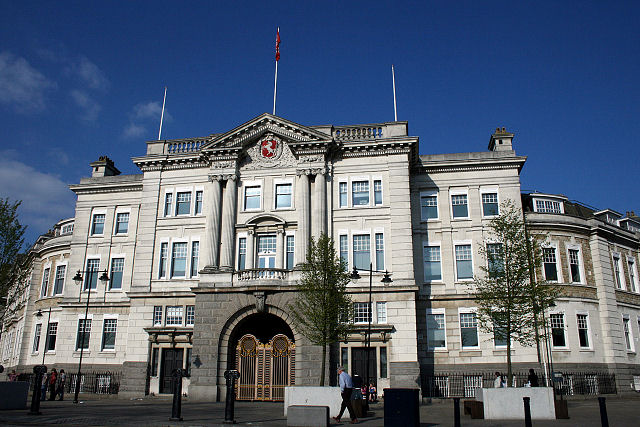
County Hall Maidstone

County Hall Maidstone where the Framework contract was signed this week

We are delighted to announce that Redec has been appointed onto the prestigious new KCC Principal Contractors Framework. Securing a place under Lot 1 for projects from £1 to £750,000 with a projected contractual spend of £90m on either a design and build or construct only basis. The ethos of the new Contractors Framework will be to provide the highest degree of professionalism in the way that Kent County Council projects are delivered and to create a dependable list of local contractors to drive the county’s big plans forward from 2016 onwards.


The framework will last for 5 years and will include increased apprenticeships and training, community benefits such as local purchasing, the use of BIM, increased engagement of local SMEs and reduction in construction waste being sent to landfill.  KCC being the largest property owning body in the South will engage the select contractors from this new framework for all works to schools, colleges, offices, pupil referral units, care homes, waste disposal sites and transportation within the county with other buying authorities able to join the list from next year.


Redec Director Chris said, “This is a fantastic opportunity for both the County and our Company.  It is something that I personally have been working on for over 2 years now, and I cannot wait for it to commence.  Working closely alongside 19 other organisations in a spirit of collaboration will ensure the property portfolio of Kent will be in safe hands for years to come.”

Colouring a Castle…

Walmer Castle & Gardens

Walmer Castle & Gardens

This week our Supervising Decoration Conservator Roger talks about how he and his team worked with English Heritage to match the colours of Walmer Castle during our recent contract as main contractor to conserve and refurbish this beloved castle…

Colour is very important at Walmer Castle. The castle has a vast array of colours throughout the property, which have been sympathetically updated from each custodian to the next. Though colours and finishes have altered through the years the main stalwart of the castle is the use of “Walmer Blue”. The colour, which is unique to Walmer was exceedingly difficult to colour match.

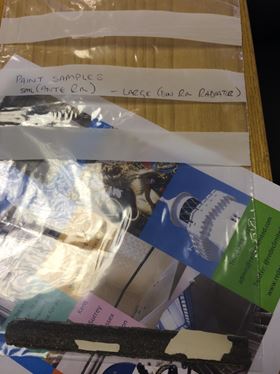
Various samples sent off for analysis

Various samples sent off for analysis

It was only in the middle of the last century that paints became industrialised for use. Popping down to your local hardware shop to purchase a tin of paint was not an option, so most people would engage an experienced decorator who mix the paint onsite (or at their yard) for the specific site they were working on.
It is also true that some large estates have interesting stories when it comes to the origin of ‘their’ colour; one such nearby example is Knole House in Sevenoaks (a National Trust property which Redec has also worked on), where the “Knole Blue” was a mixture of many leftover paints to form a ‘bluey-black’ colour that is seen throughout not only the house and grounds but also along Sevenoaks High Street. The likely origin of the Walmer Blue is likely a composite of colours used to satisfy the requirements of the then insitu Lord Warden and their family.

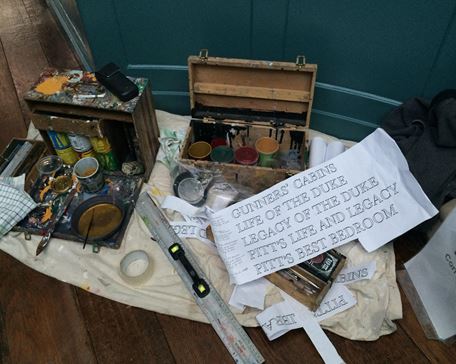
A decoration conservator's tool box

A decoration conservator’s tool box

The walls and panelling have been redecorated several times over the centuries with each coloration being slightly different from the last. Past redecorations were likely undertaken by the The Ministry of Works (1943 – 1970) and the Property Services Agency (1970-1996) whom would have likely used experienced decorators to match up the distinctive colour by eye; evidence of historic touching-up to the woodwork was evident in the corridor and rotunda.
For the 2015 refurbishment we decided to undertake a mix of modern and traditional techniques to discover the true makeup of the Walmer Blue. Initially it was within the project to match up the colours using Redec’s paint conservator and only touch-in the worst affected areas of damage to the corridor only. It was quickly decided that for the budget of undertaking this, we could match-up the colour and then redecorate the whole corridor rather than selecting just a few isolated areas.

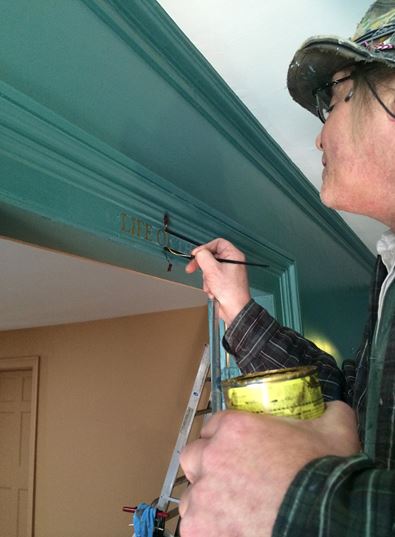
A Redec Decoration Conservator applies the final touches

A Redec Decoration Conservator applies the final touches

Upon receiving this crucial decision, a call was made to leading UK colour expert Patrick Baty of London’s Papers & Paints Ltd. Patrick was briefed about the colour and requested samples of the paint work in various different locations were sent to his London office for analysis. In keeping with the past redecorations, the specification called for an oil-based eggshell to be used, which added time to the diagnosis of the colour due to the fact that oil-eggshell takes far longer to dry than a modern water-based paints. Initially the samples were placed under a microscope to see the composition of the paint. The samples’ stratigraphy (layers) and composition were all detailed and surveyed, these showed that the corridor area had received over 8 redecorations in the lifetime of the panels within the corridor, which were believed to date back to the 18th Century.
After which, using a variety of dark bases in this finish P&P crafted various samples daily to match the colour using the colour spectrum of the Munsell colour range, which is one of the widest colour ranges in the world. Daily updates were provided to English Heritage by onsite visits by our project manager (Chris) until finally the colour was identical to the samples received.
The big day came when on 16th December my team and I (as Supervising Decoration Conservator) received the paint matched to Patrick’s exacting formula from English Heritage’s preferred paint supplier ‘The Little Green Paint Company’. Quickly it became apparent that the colour had been matched absolutely perfectly. So well in fact that once areas had dried in the upper corridor, it was hard to tell where the new paint started and the old paint continued, other than the fact that the old paint was more worn from people traffic – on colouration alone they were identical!

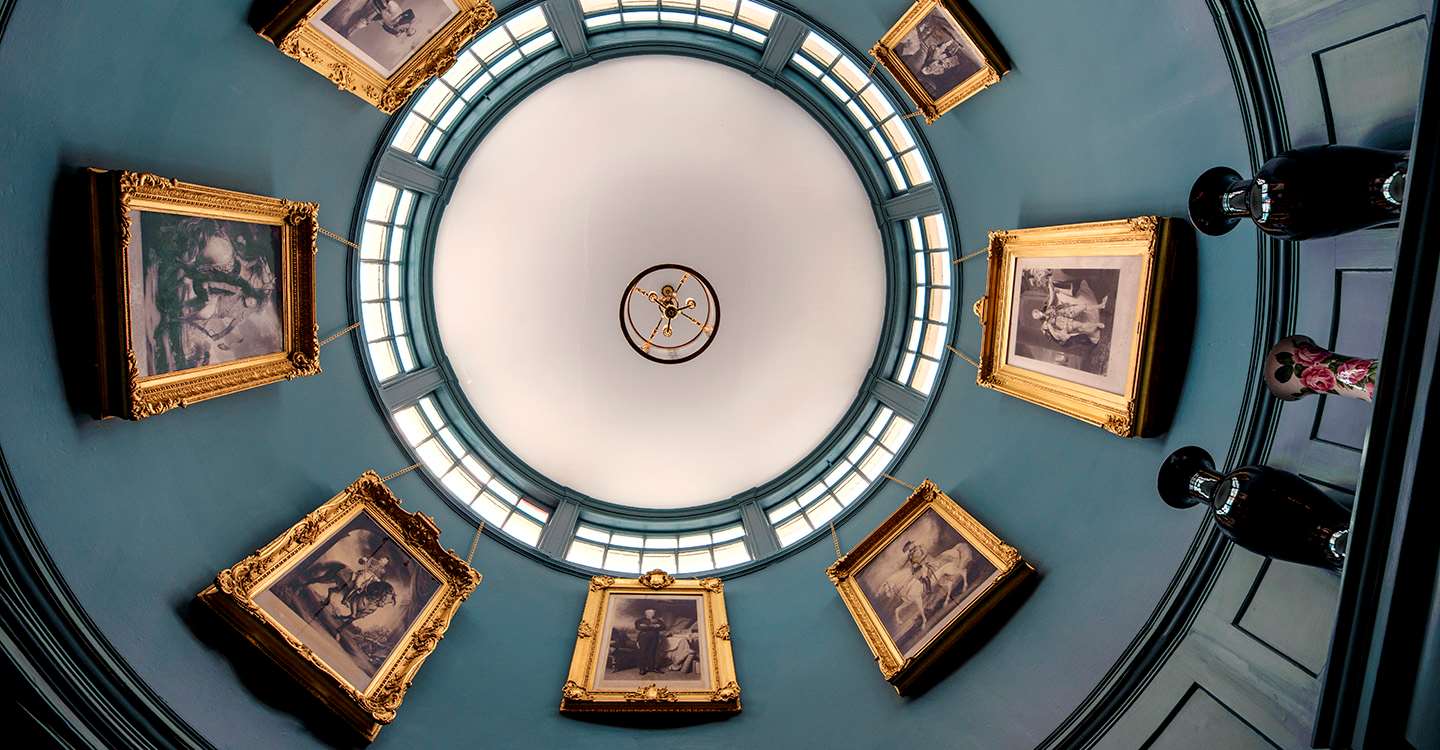
The works have returned the drama to the central rotunda of the main corridor.  Photo copyright (c) English Heritage

The works have returned the drama to the central rotunda of the main corridor. Photo copyright (c) English Heritage

Though colouration of Walmer Castle’s interiors were only a small part of our works onsite, it goes to show that the devil is always in the detail and nowhere is this more important than when you are tasked with conserving such an important building like this.

Walmer Castle is now open following our works with English Heritage to conserve and refurbish the main building, please see their website for opening times and prices: http://www.english-heritage.org.uk/visit/places/walmer-castle-and-gardens/

East Sussex Railway Station Repairs

The ‘R’ word is often a no-no in our industry (the word being ‘Restoration’) and though its use is frowned upon, the public at large recognise the word to mean working on heritage properties. It was William Morris (founder of SPAB) that said:

“It is in the interest of living art and living history that I oppose so-called restoration. What history can there be in a building bedaubed with ornament, which cannot at the best be anything but a hopeless and lifeless imitation of the hope and vigour of the earlier world?”

Though this unfortunate paradox exists (and we note the name of our blog too!), we can say that a recent project we worked on did call for actual restoration. When Morris was writing about the fake restorations of the Victorian period, he was complaining more about the process that he was witnessing then, so to skip forward 100 years to now we can make the same complaints but we can now strip back these modern and faulty additions to actually ‘restore’ what in all probability is actually there.


Taken from Wikipedia, a view of the station from the mid 20th Century

The project in question was our recent works to a small railway station in East Sussex. Our task was to work on the booking hall and waiting room of this station, to strip away the modern finishes that had poorly served the building and to restore it to how it would have looked from photographic evidence obtained. I wanted to share two key areas with you…
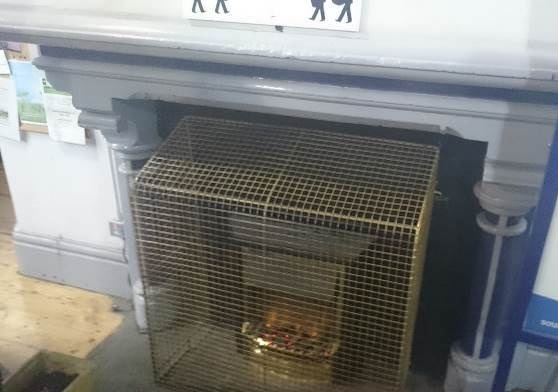
 

fireplace

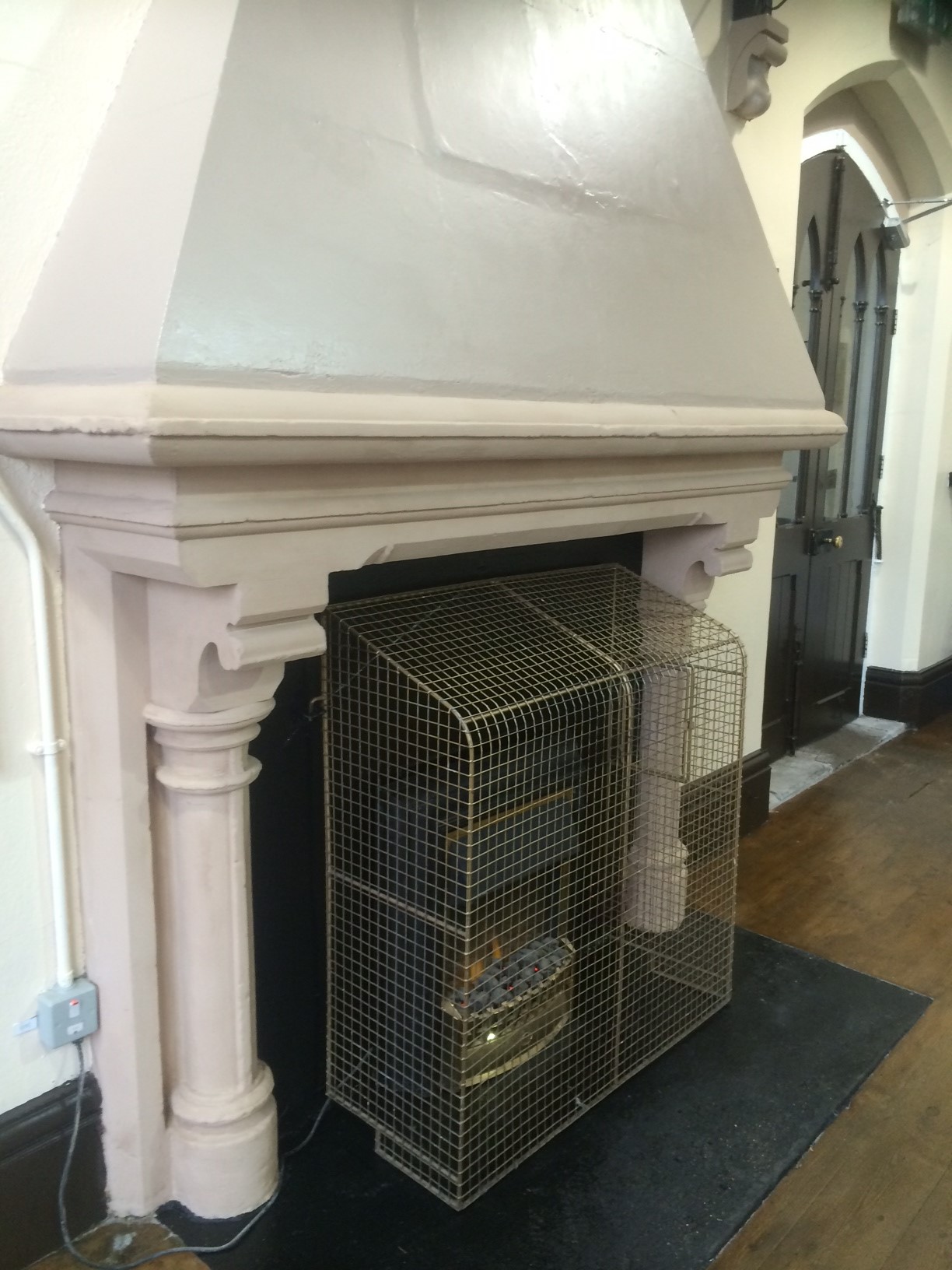
The original fireplace finished with an oil-based gloss paint

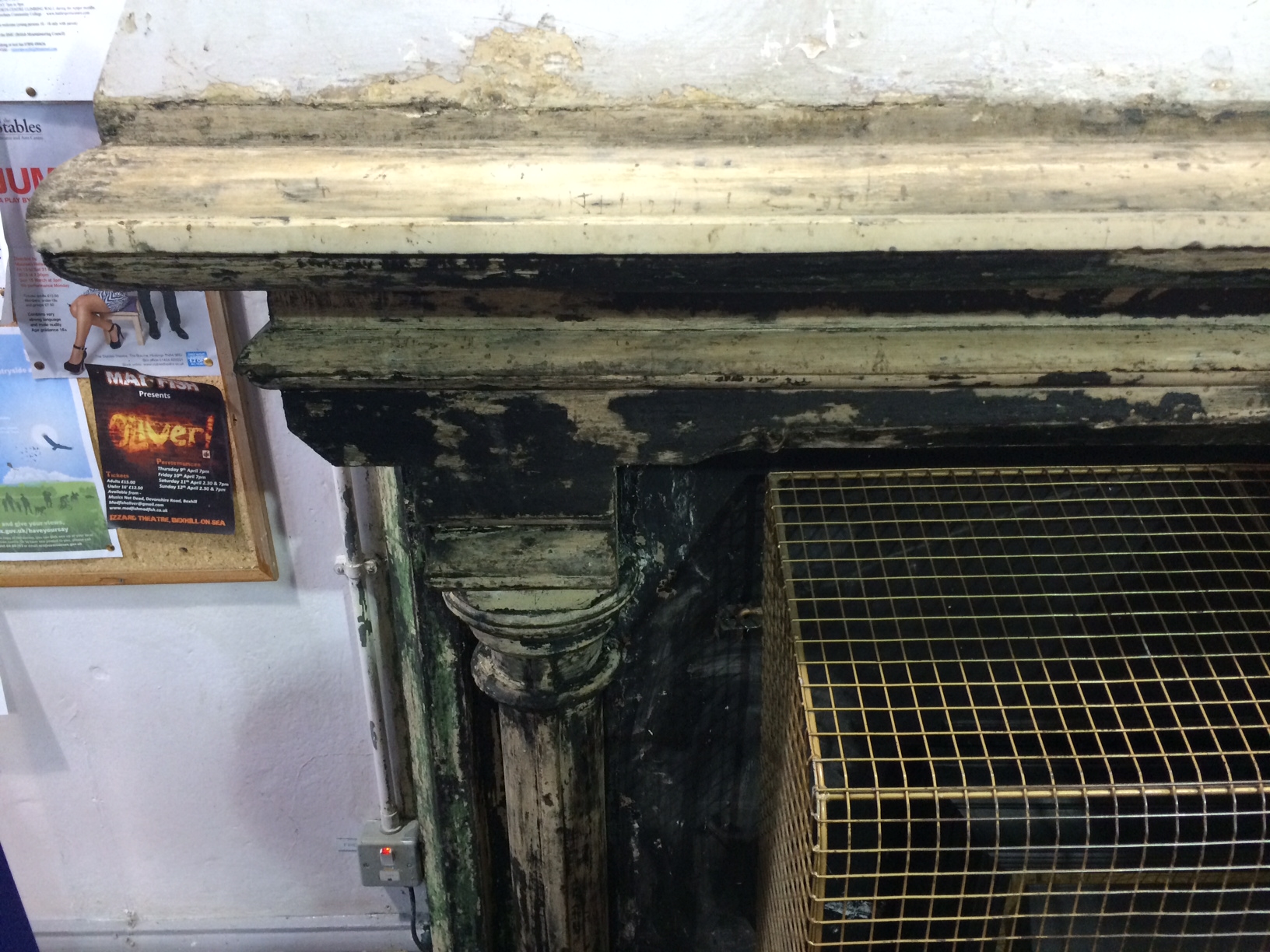
First we considered the fireplace, which had been constructed from Bath stone. On inspection, it had been painted with umpteen coats of standard undercoat and gloss. Further tests outlined that no lead paint was present, which is a key safety point for paint removal. Using the poultice method of paint removal (which is the most efficient method for not damaging the substrate of your project), we removed over 9 layers of paint before we hit a problem. Under the paint existed a thick coating of bitumastic. The chemical we used to remove the paint could not touch it and only appeared to move it around and create a treacle like substance. Unperturbed as we had encountered this before, we managed to carefully remove the thick covering using an alternative stripping product. Soon the bitumastic was completely removed and graffiti that had probably been hidden was once again revealed after over 75 years or more hidden under the sticky coating (such was the careful deployment of the stripper by our staff).


photo 4

The horrible bitumastic coating underneath was exposed. A product that was readily available in the railway industry as it was used to coat the railway sleepers and various track plant
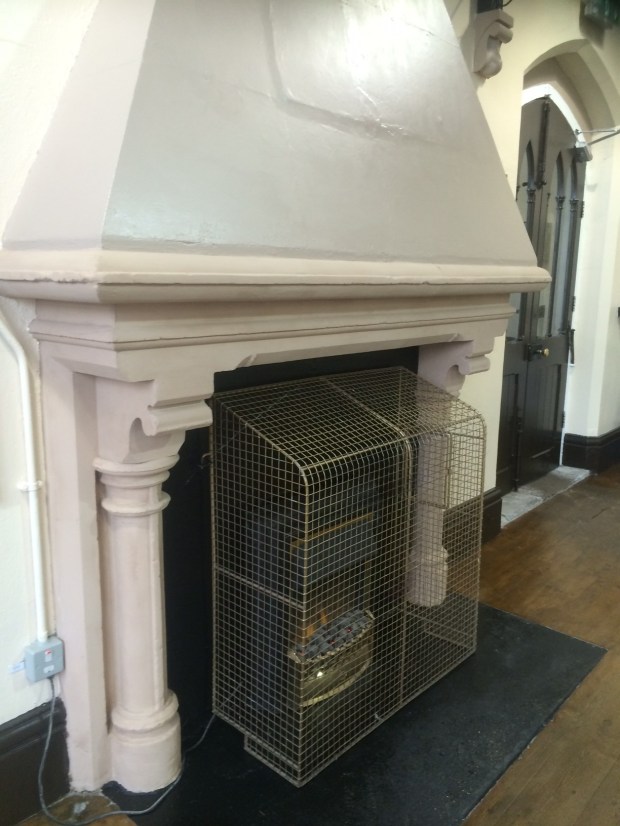
 

The finished fireplace

The finished fireplace complete with characterful Edwardian graffiti

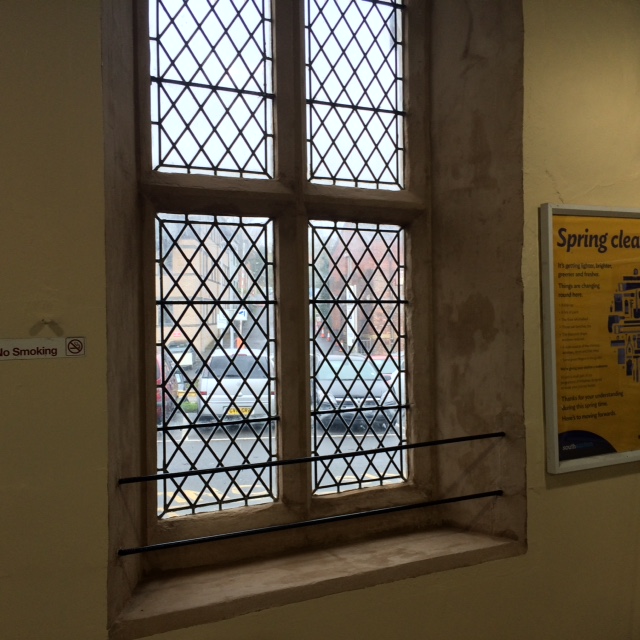
The next area of consideration was the windows, particularly their reveals. The windows reveals had been painted with a vinyl paint coating, which is highly unacceptable for the lime rendered walls. The vinyl had created a barrier upon which the walls could no longer breath, this was further accelerated by the contents of various isolated repairs which had been undertaken throughout.
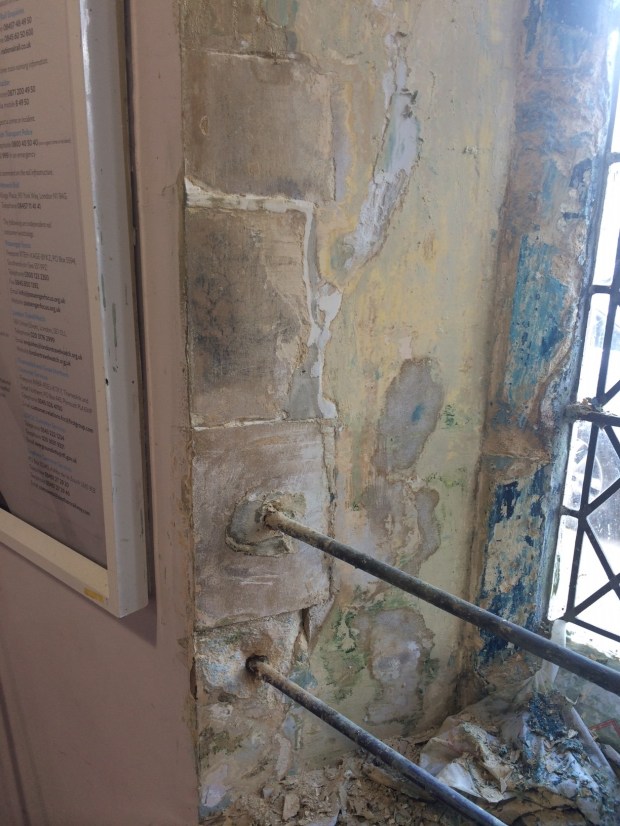
 

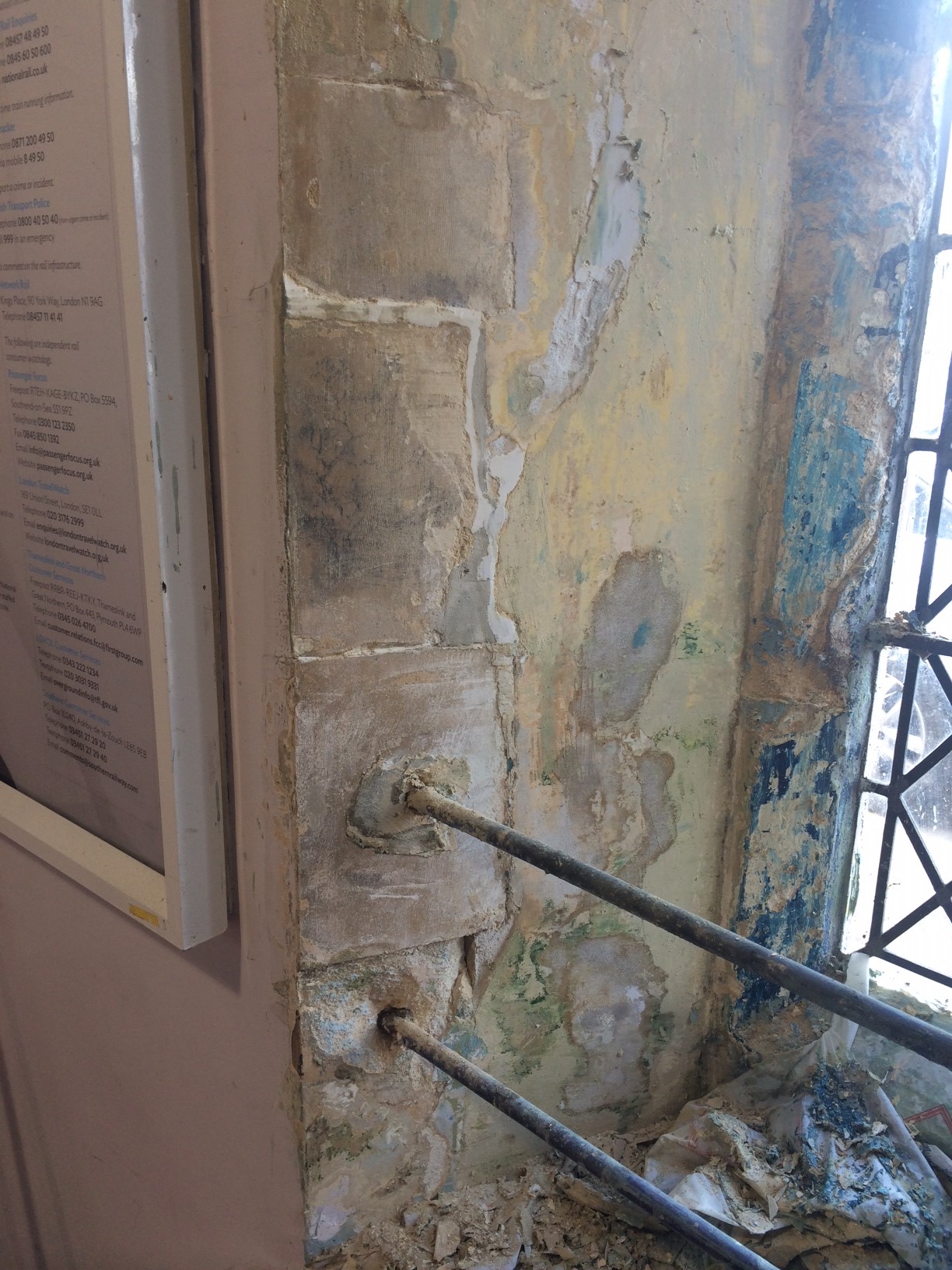
This photo shows the extent of the modern fillers that were plaguing the building - note the beautiful quoin detailing too

This photo shows the extent of the modern fillers that were plaguing the building – note the beautiful quoin detailing too

Stripping back the paint coatings, we found uses of modern polyfillers, gypsum and sand/cement, all of which are non-compatible with lime rendered walls and stone rubble-core interiors. The paint and repair combinations had effectively locked in the damp from the exterior walling that otherwise would have dispersed naturally. We then carefully removed the foreign items from redecorations past, and carefully filled with a similar mixed NH lime plaster. On completion we applied several coats of a coloured lime wash to allow the walls to breath once again. We also undertook a number of other conservation repairs and redecorations before handover to the client, for which we will comment on in another blog. However for now, these two items for this project go to prove that the ‘R’ word is not all that bad after all…
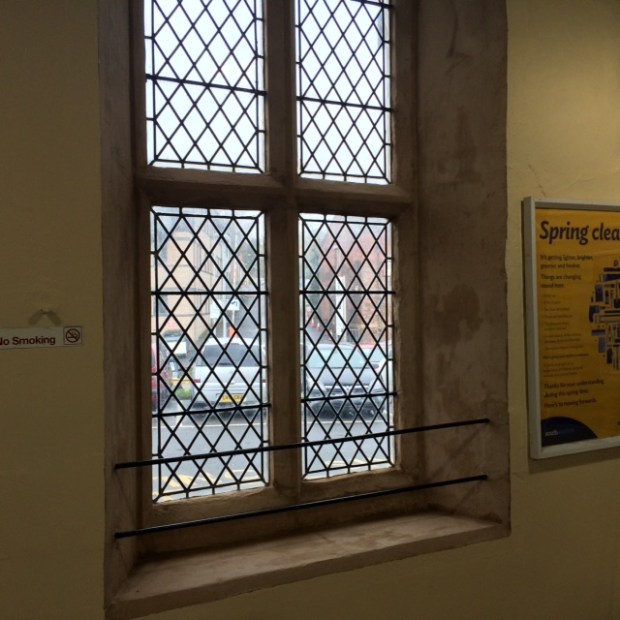
 

Note the moisture starting to travel from the substrate in the newly restored reveals

Note the moisture starting to travel from the substrate in the newly restored reveals


A blog by Project Manager Chris, who is a chartered surveyor and builder who works within our refurbishment and building department.
Hello…

Welcome to the new blog site for our company Redec.

Staff from our various departments will be posting to this site over the coming weeks to provide stories, insights, thoughts and behind-the-scenes blogs about all the work we carry out around the South East of England.

All company-wide news and the quarterly newsletter will still be available via our main website and Linkedin page, the links are below:

Redec website: http://www.redec.co.uk

Linkedin: http://www.linkedin.com/company/redec-limited

Twitter: http://www.twitter.com/redeclimited

Facebook: http://www.facebook.com/redeclimited

Pintrest: http://www.pintrest.com/redec